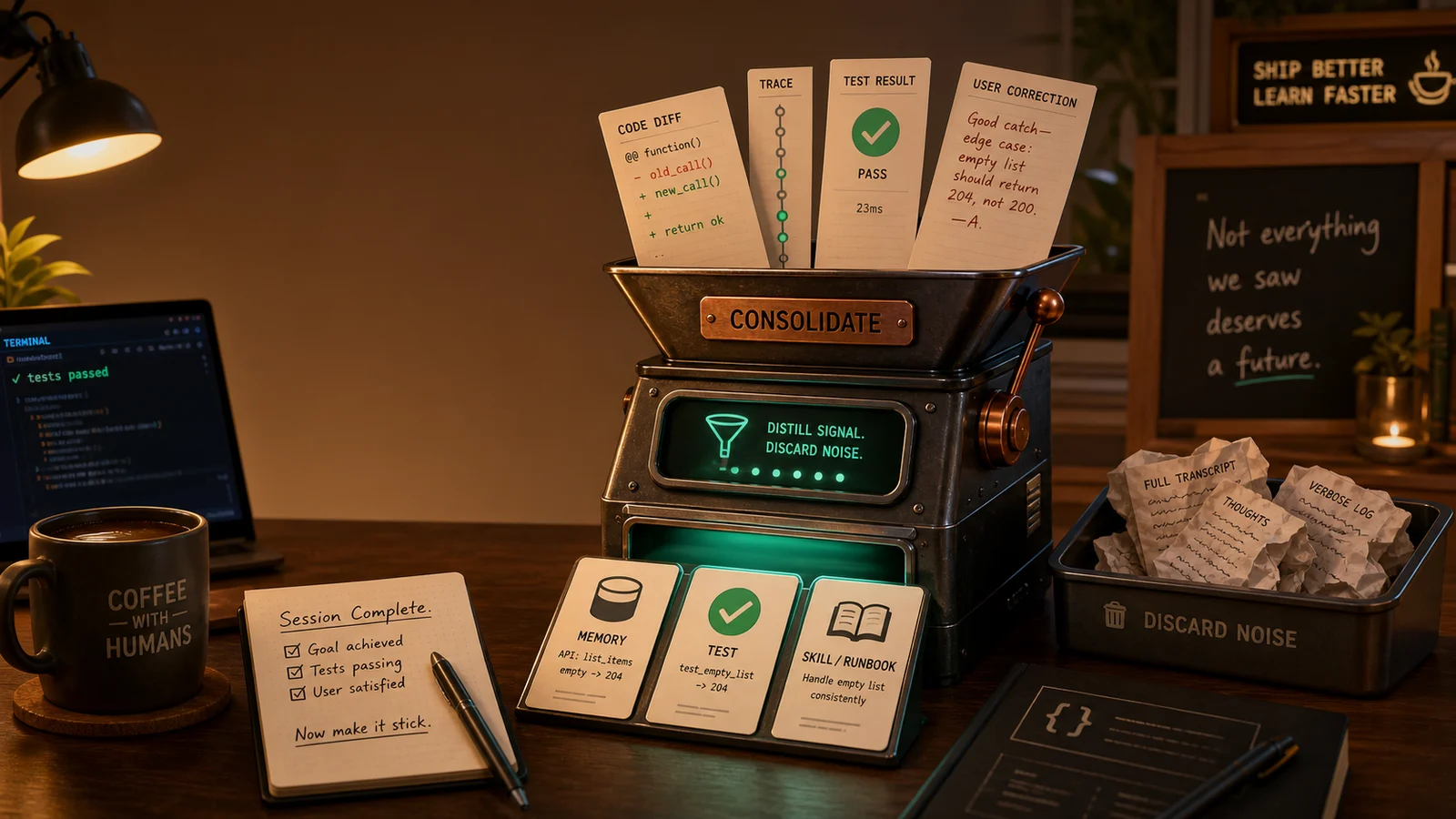
Agent Workflows
How To Make An Agent Learn From One Session
A practical guide to turning one completed agent session into scoped memory, tests, hooks, skills, or evals without pretending the model trained itself.
Browse articles
Practical AI engineering lessons, distilled from the good stuff and written for humans who build things.
Agent Workflows
A practical guide to turning one completed agent session into scoped memory, tests, hooks, skills, or evals without pretending the model trained itself.

Evals
Learn how to turn traces, failures, datasets, and experiments into a practical eval loop for improving AI applications and agents.
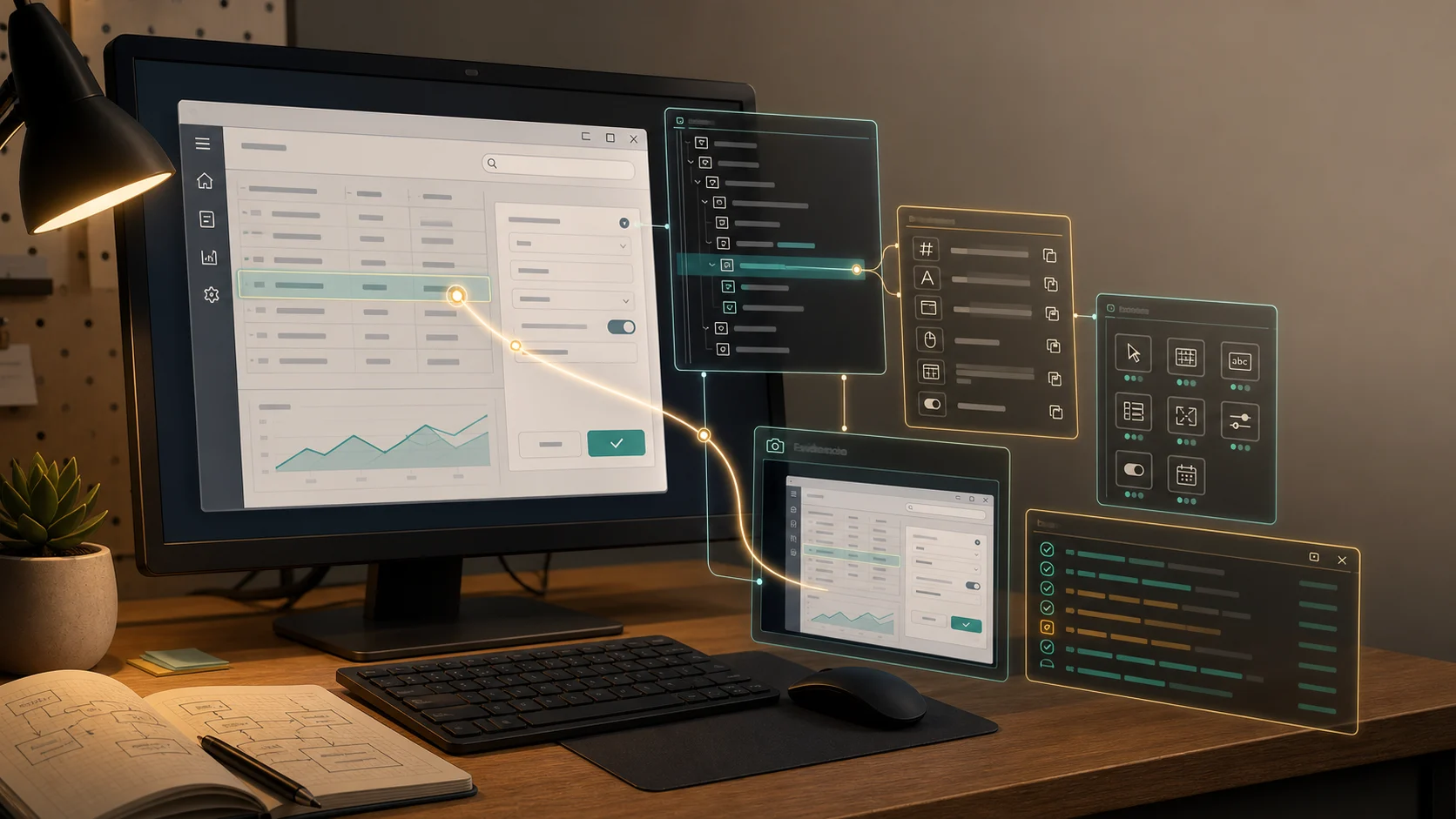
AI Agents
AI agents can help automate UAT for Windows desktop apps in the background, but they need isolated workers, UI Automation handles, deterministic checks, and reviewable evidence.

Agent Memory
Learn how to design long-term agent memory around admission, scoped records, retrieval paths, maintenance, and forgetting instead of dumping everything into vectors.

Agent Workflows
Why agents skip parts of your skills, and how to make expectations stick with staged workflows, structured evidence, hooks, validators, evals, and selective subagents.

AI Agents
Agent harnesses are the control systems around AI agents. Learn what they own, how the core parts work, and how to evaluate one before trusting it with real work.
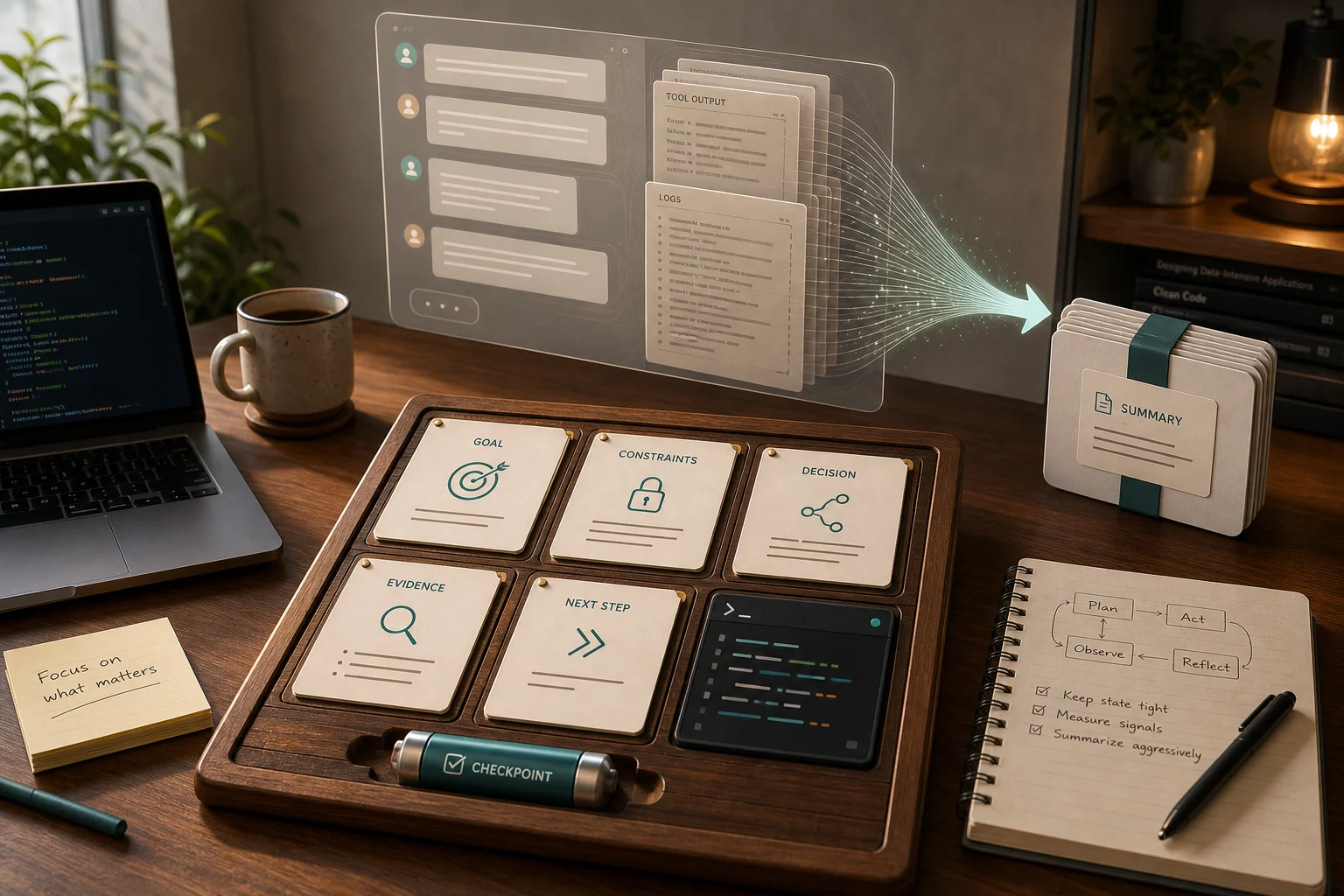
Agent Memory
Learn how to keep an agent oriented during a task by carrying useful working state instead of dragging the whole transcript forward.
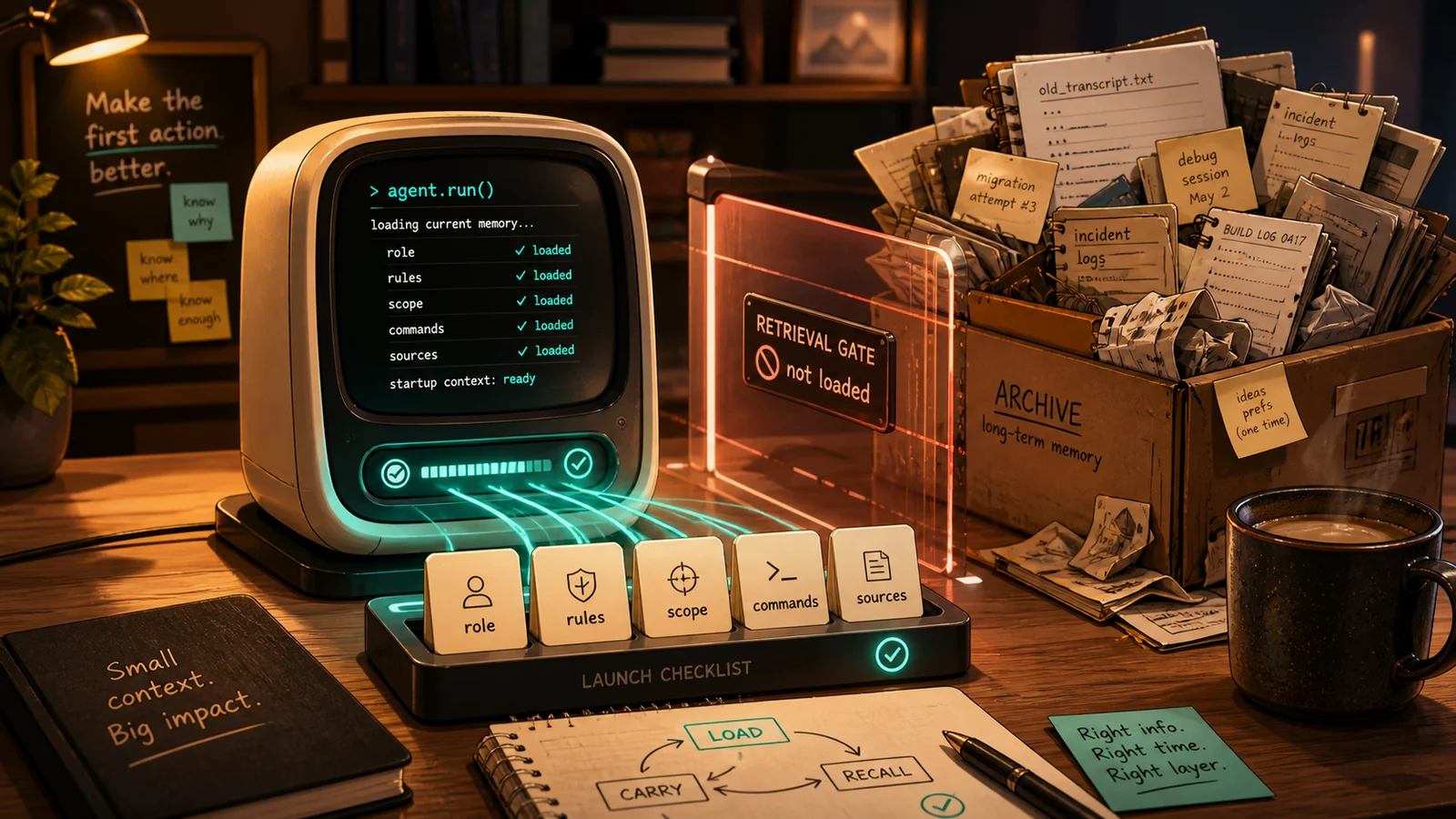
Agent Memory
Learn what belongs in an agent's always-loaded context, what should move elsewhere, and why memory files are guidance rather than enforcement.

AI Agents
Handoffs, subagents, routers, and skills are useful only when the boundary is designed. Treat agent delegation like an API with scoped context, checks, traces, and ownership.

Reasoning Models
Low, medium, and high thinking settings are not magic intelligence levels. They are budget choices for how much internal reasoning a model should spend before answering.
Agent Memory
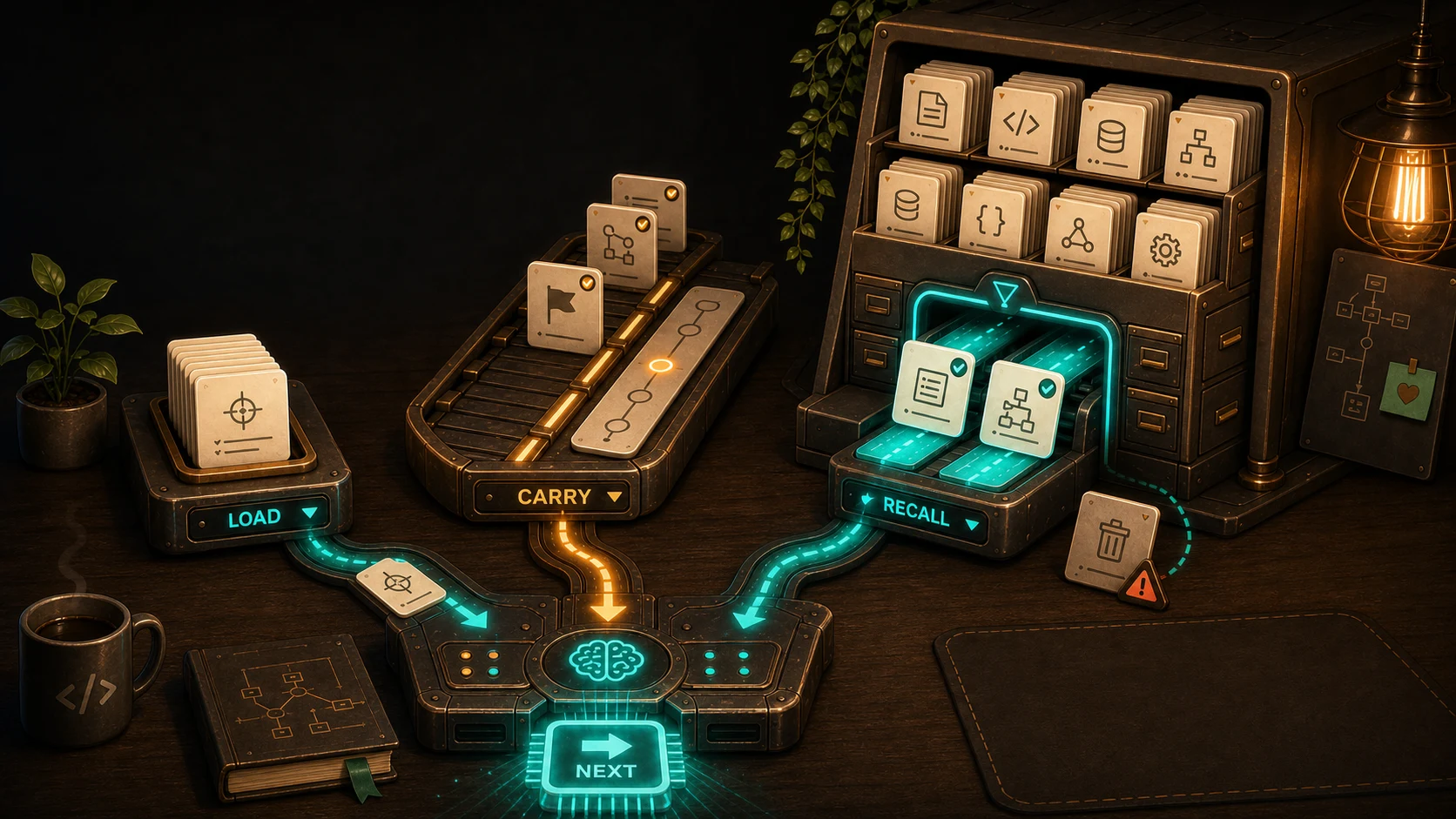
Agent memory is not one database or a longer prompt. Learn how to decide what an agent should load, carry, recall, update, and forget.

Context Engineering
Context engineering is not prompt polish. It is the discipline of giving AI systems the right working set at the right moment, then keeping that context fresh, small, and verifiable.

Token Usage
Token costs are not just a pricing problem. Learn how to reduce AI agent spend by measuring full runs, shrinking repeated context, caching stable prefixes, batching offline work, and routing tasks by value.
MCP Security
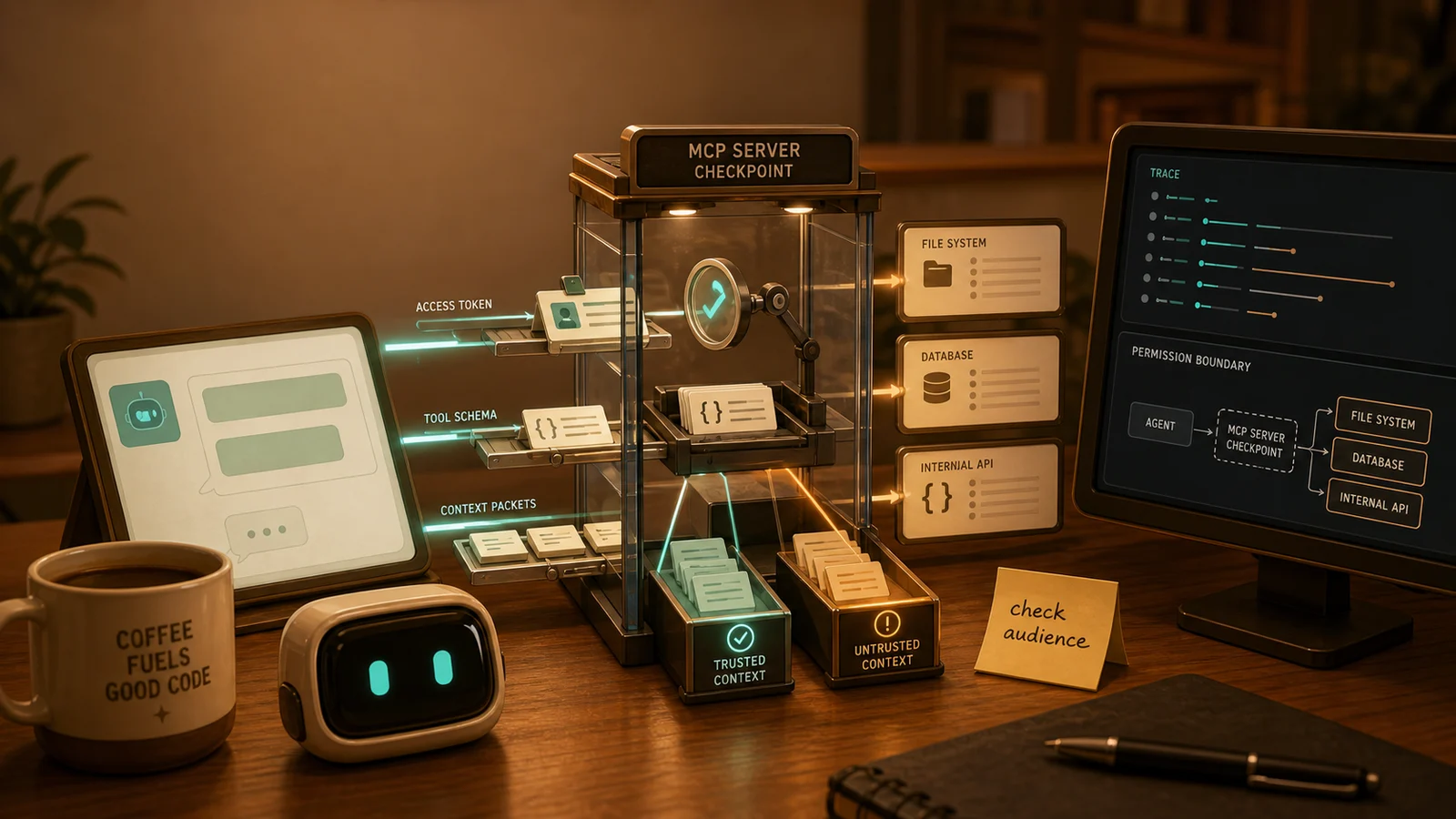
MCP makes agents useful by connecting them to real systems. That also makes every MCP server a security boundary worth designing, reviewing, and monitoring.